Every now and then, someone does something that doesn’t quite fit.
Not dramatically different.
Just enough to stand out.
Their tone feels more direct.
Their observations less filtered.
Their thinking less aligned with the usual language of the community.
At first, it often looks strange.
Most people scroll past.
A few might think:
That’s a bit unusual.
But occasionally something interesting happens.
One person notices.
Not because the idea is revolutionary, but because it feels more real than the surrounding noise.
That first follower matters more than it seems.
Derek Sivers once shared a simple video to explain how movements begin.
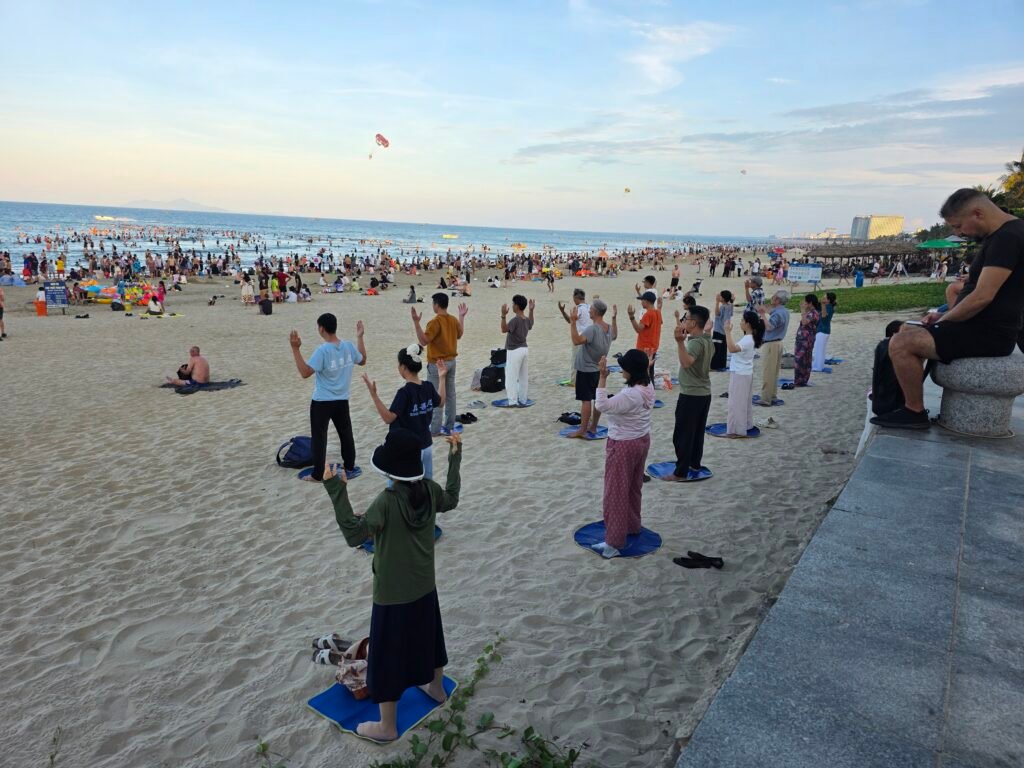
In the clip, a man starts dancing alone at a music festival.
At first he looks slightly ridiculous.
Just one person moving freely while everyone else sits and watches.
Then something subtle happens.
A second person joins him.
Suddenly the scene changes.
What looked like strange behavior a moment earlier now starts to look like the beginning of a group.
Within minutes more people stand up.
And eventually a crowd forms.
The first dancer looked like an outlier.
But the first follower transformed the moment into something else.
Online culture often works in the same way.
Most people produce content that signals belonging.
But occasionally someone breaks that pattern.
At first it feels unusual.
Then one person resonates with it.
Then another.
And eventually what once looked like standing out becomes its own kind of community.
The difference isn’t the idea.
It’s the moment it’s no longer done alone.
Movements rarely begin with a crowd.
They begin with someone willing to look slightly out of place.
And someone else willing to stand next to them.