
Ogoh-Ogoh, Bali was loud.
Not just noise.
Effort.
Hundreds of people moving together.
Carrying Ogoh-Ogoh figures through the streets.
Large, detailed, almost alive.
They turn them.
Stop them.
Lift them again.
Like a coordinated struggle.
Even young boys, four, five, six years old
carrying smaller versions of the same figures.
Learning the movement early.
Fire. Smoke. Crowds.
A full system in motion.
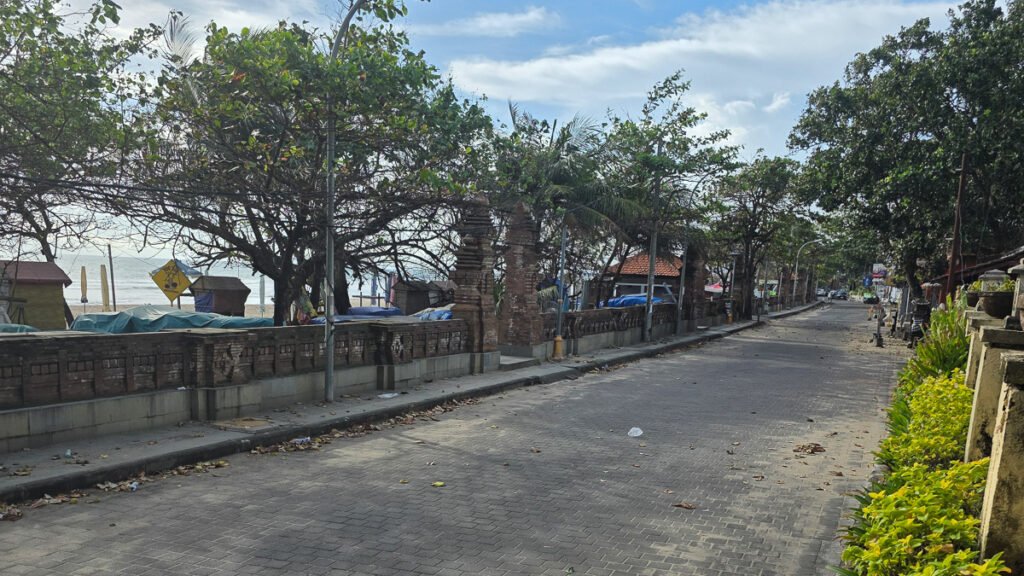
The next day, everything stopped.
No traffic.
No flights.
No shops.
Even the lights are kept low.
Nyepi.
A full island choosing silence.
I heard someone say:
“It’s the best day of the year. Even the animals enjoy it.”
And for a moment, it feels true.
Until you notice something else.
A stray dog.
Moving slowly between empty streets.
Looking for food that isn’t there.
No tourists.
No scraps.
No activity to sustain it.
Silence, from one perspective, is peace.
From another, its absence.
Traditions often get remembered for how they feel at their peak.
Not for how they function underneath.
Systems are the same.
What we see is usually the visible layer.
The parade.
The output.
The moment things come together.
But that moment only exists because of continuous activity behind it.
Movement.
Energy.
Inputs.
Remove that, and the system doesn’t become peaceful.
It becomes inactive.
A lot of people imagine the future of AI the same way.
Clean.
Effortless.
Automated.
Like a perfect Nyepi.
No noise.
No friction.
Everything just… working.
But AI systems don’t run on silence.
They run on signals.
Content.
Data.
Inputs.
Continuous activity.
What looks effortless on the surface
is sustained by constant movement underneath.
Visibility works like the Ogoh-Ogoh parade.
Not the Silent Day.
What appears suddenly
has usually been carried, adjusted, and moved
long before anyone notices.
And silence?
Silence doesn’t create visibility.
It just removes you from the system.
The future won’t belong to what is quiet. It will belong to what keeps moving.