We’ve Been Prompting Computers for More Than 40 Years. We Just Didn’t Call It That.
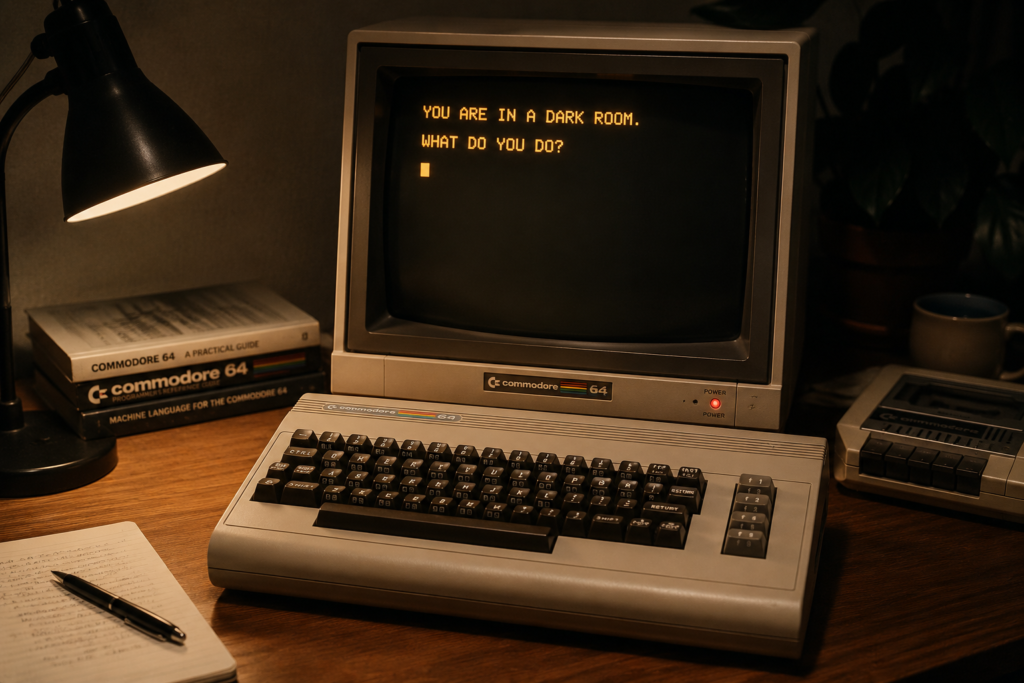
I grew up with personal computers.
Not smartphones. Not laptops. Computers where you sometimes had to figure out exactly what to type before anything happened.
RUN. LOAD. PRINT.
One of the first computers I spent real time with was the Commodore 64.
Some of the games I remember most weren’t particularly impressive by today’s standards. There were no cinematic graphics or open worlds. Sometimes there were barely any graphics at all.
Before We Called It Prompting
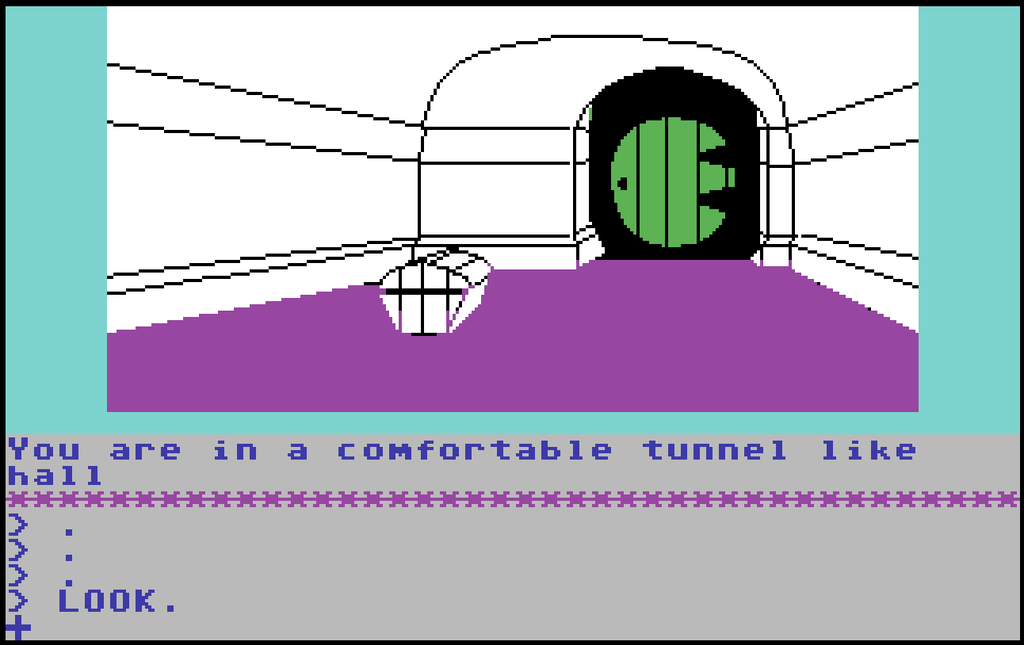
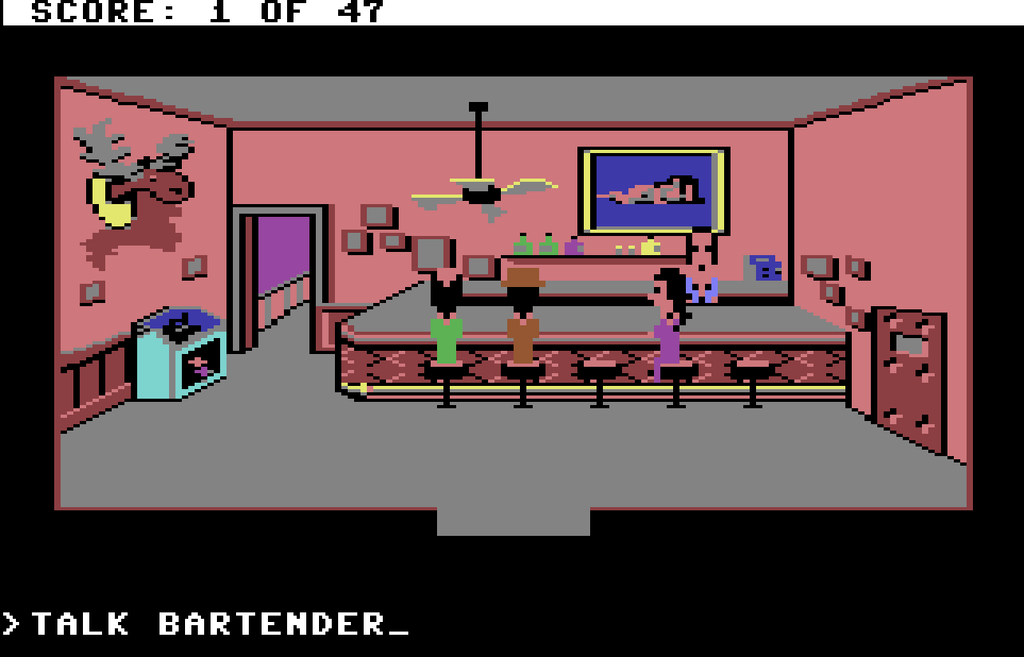
Games like Zork and The Hitchhiker’s Guide to the Galaxy were largely built around text.
The computer described a situation, and then you told it what you wanted to do.
Open door.
Look under table.
Take key.
Except the computer often didn’t understand you.
You knew perfectly well what you wanted to do. The challenge was figuring out how to express it in a way the computer understood.
So you tried again. Different words. A different order. Maybe a more precise instruction.
Nobody called it prompting.
You were just trying to get the computer to understand what you meant.
What If the Computer Could Think for Itself?
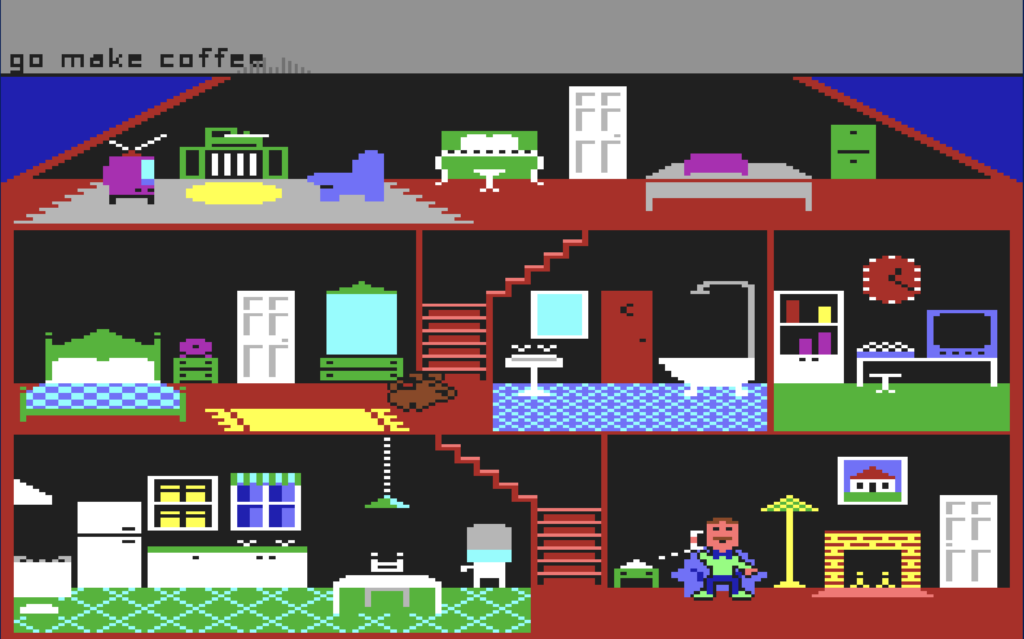
Little Computer People was different.
The idea was simple. There was a little person living inside your computer.
You could watch him move around his house, eat, sleep, play the piano, watch television and generally go about his day. You could interact with him, but you didn’t completely control him.
I remember finding that fascinating.
There was this strange feeling that something was happening inside the computer even when I wasn’t directly telling it what to do.
Of course, I knew it was a game. But as a kid, it still made me wonder.
Could computers eventually do things by themselves?
Could they understand what we wanted without us having to give them the exact command?
Could we eventually just talk to them?
Those questions sounded a lot more like science fiction in the 1980s than they do today.
Now I can open ChatGPT and write:
“Here’s what I’m trying to do…”
And the computer responds.
I don’t need to remember a command or know the exact syntax. I can misspell words, use bad grammar or phrase something awkwardly, and ChatGPT will usually still understand what I mean.
I don’t even need to get the idea right the first time. I can explain it, clarify it, correct it and keep going.
That is remarkably different from the computers I grew up with.
And yet something about it feels strangely familiar.
Now the Computer Meets Us Halfway
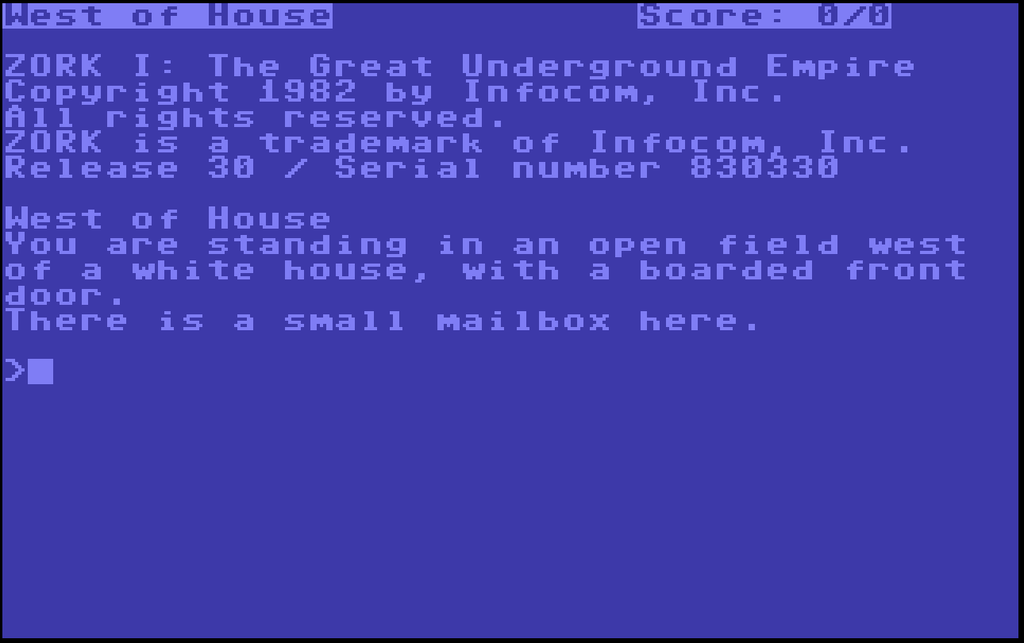
With those early games, the burden was almost entirely on the human.
You had to figure out the right command, the right word, sometimes even the right sequence.
If the computer expected OPEN DOOR and you typed OPEN ENTRANCE, it might not recognize what you meant.
You were stuck.
Today, AI can often work out what we mean even when we don’t express it particularly well. That is a huge change.
But I’m not sure the underlying problem has disappeared.
There is still a difference between a computer understanding your words and a computer understanding what you actually want.
I notice this when I use AI myself.
Some of the weakest results I get have nothing to do with ChatGPT misunderstanding my sentence. The problem is that I haven’t thought clearly enough about what I’m asking.
I was vague because my thinking was vague.
Maybe I hadn’t decided what mattered yet. Maybe I hadn’t noticed the important detail. Sometimes I simply hadn’t formed the question properly.
No clever prompt completely solves that.
You can ask AI to rewrite something ten different ways. You can make it shorter, more professional, more persuasive or supposedly “more human.”
But sooner or later, someone still has to decide:
Is this actually good?
Is this what I meant?
Am I even asking the right question?
That part still belongs to us.
Maybe prompting was never only about finding the right words to type into a computer.
Maybe it was also about figuring out what was going on inside our own heads.
The Scarce Skill Isn’t Prompting
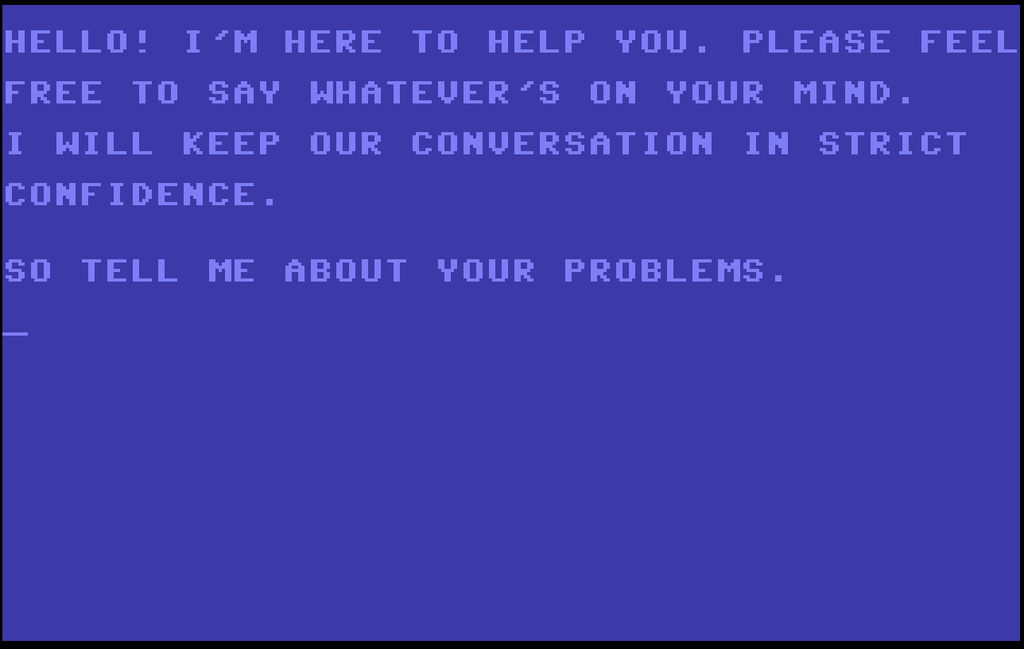
This is why I’m not convinced that becoming great at prompting is the long-term competitive advantage people sometimes make it out to be.
Prompting matters. Knowing how to work with AI matters.
But the tools are improving incredibly quickly, and they already need far less instruction than they did only a few years ago.
They can interpret messy questions. They can ask for clarification. They can remember context. Increasingly, they can work out what we are trying to accomplish without us having to engineer the perfect prompt.
So I suspect prompting itself may become less important over time.
If everyone has access to increasingly capable AI, knowing how to type instructions into it probably isn’t going to be the scarce part.
Knowing what is worth asking might be.
Knowing what is worth noticing.
What deserves questioning.
What doesn’t quite make sense.
What everyone else seems to accept without looking at it again.
AI can help me work through an observation. It can challenge it, research it, connect it to something else and sometimes help me find language for something I haven’t quite been able to articulate.
But it can’t have the experience for me.
It wasn’t standing where I was standing when I noticed something.
I’ve written before about how, as AI-generated content becomes more abundant, lived experience and original observation may actually become more valuable.
It didn’t spend decades accumulating the experiences that made one particular detail stand out while a hundred others disappeared into the background.
And it doesn’t decide what matters to me.
That still comes from outside the machine.
Maybe that is the strange twist in all of this.
As computers become better at understanding what we say, more of the value may shift back toward the person who has something worth saying in the first place.
The Computer Changed. Thinking Didn’t.
When I think back to those old computers now, the comparison makes me smile.
The machines were primitive and the interfaces were unforgiving. You had to learn how they worked. I was even learning things like Simons’ BASIC along the way.
Today, the machine increasingly learns us.
That is an extraordinary shift.
But the more capable computers become, the more I find myself coming back to something surprisingly old-fashioned:
Thinking.
Not prompt formulas or tricks. Not searching for some magic combination of words that will unlock the perfect answer.
Just thinking clearly about what I’m trying to understand.
Noticing something worth exploring.
Forming a better question.
Recognizing when an answer feels incomplete or when something sounds convincing but doesn’t quite hold together.
And sometimes realizing that the machine gave me exactly what I asked for.
I just asked for the wrong thing.
Forty years ago, I sat in front of my Commodore 64 trying to find the words that would make the computer understand me.
Today, I sit in front of a computer capable of understanding almost anything I throw at it.
The technology has changed almost beyond recognition.
But we still have to bring the question.
We still have to bring the judgment.
We still have to decide what matters.
Maybe that is what we’ve been practicing all along.
We just didn’t call it prompting.